How does a Solar Water Heater work?
How it works
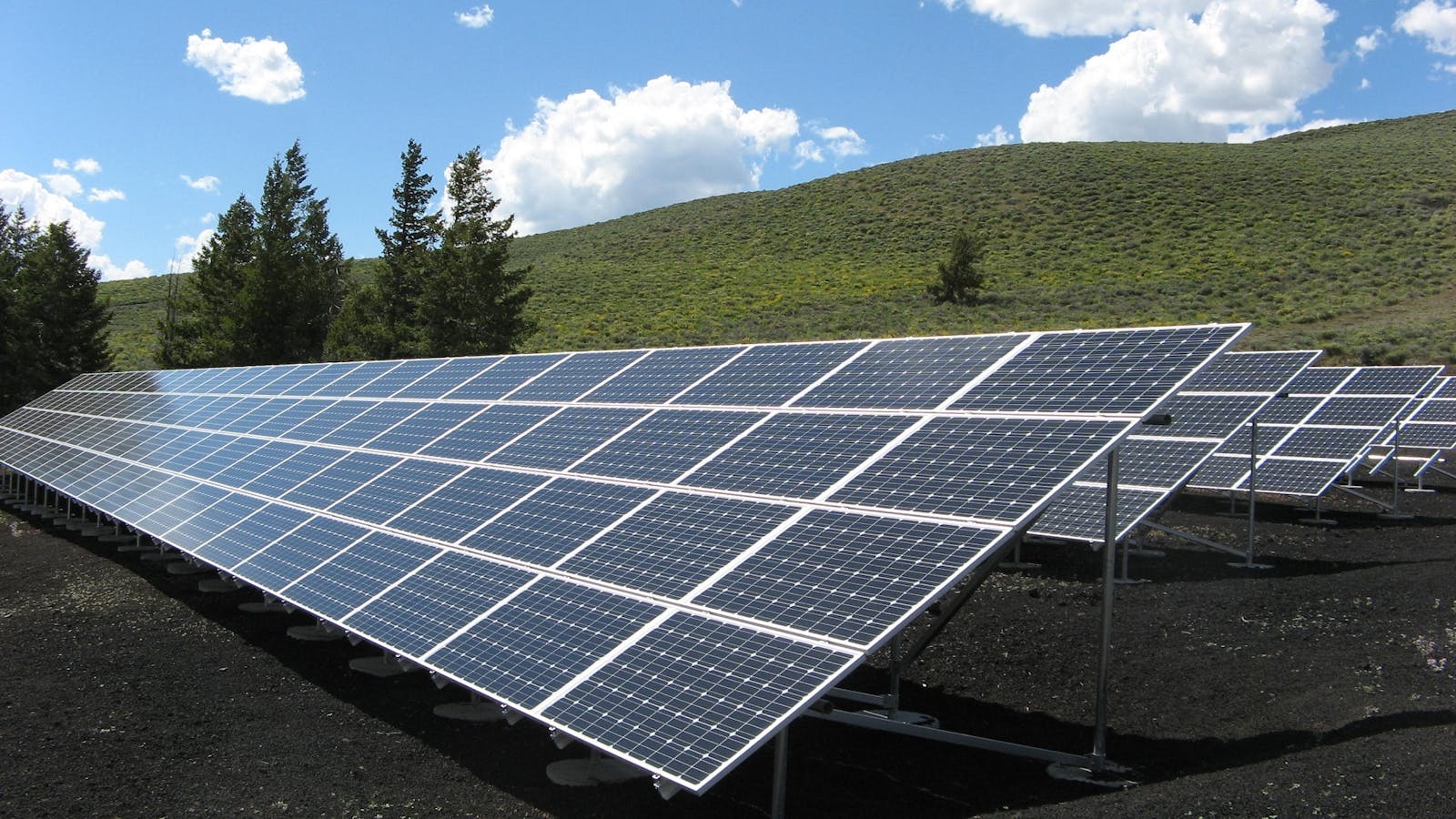
A solar water heater catches sunlight on flat-plate or evacuated-tube collectors and turns it into heat for showers, dishwashing, and laundry. Sunlight lands on a dark absorber surface, which boosts the temperature of the fluid running behind it. As the fluid warms, it flows through a loop that carries the energy down to a storage tank, where a heat exchanger passes warmth into the household water supply without mixing fluids.
The system includes a controller that compares the collector temperature to the tank temperature. When the collector is hotter, the pump circulates fluid through the loop to dump heat into the stored water. If the sun drops or the collector cools below the tank, the controller shuts off the pump so the warmer tank water does not lose heat back through the collectors. That low pump draw keeps electricity use minimal even on cloudy days.
Some systems pair solar heating with a conventional boiler or electric element, so the backup kicks in when solar energy is insufficient. A sensor in the auxiliary circuit watches the tank and fires up the backup only when the stored water falls below a desired set point, ensuring you never run out of hot water.
Key components
- Collectors: Flat-plate panels or vacuum tubes mounted on the roof that grab and trap solar energy.
- Heat transfer fluid: Typically water mixed with antifreeze to prevent freezing in winter.
- Pump and loop: Moves the heated fluid from the collector down to the heat exchanger and back up.
- Storage tank: Well-insulated cylinder that holds gallons of hot water for household use.
- Controller: Measures temperatures and triggers the pump so heat flows only when useful.
- Backup heating element: Electric or gas source that tops off the tank when solar energy falls short.
Operation & care
During installation, orient the collectors toward the sun—typically south in the Northern Hemisphere—at an angle close to your latitude. Fill the system with the recommended fluid, bleed air from the loops, and set the controller thresholds so the pump runs only when the collector is a few degrees hotter than the tank.
Inspect the panels periodically for dirt, leaves, or snow. Dust reduces the amount of light that reaches the absorber, so wipe the glass or tubes with a soft cloth as needed. Test the pump and controller before summer to make sure the circulation is smooth, and replace the antifreeze mixture every few years to prevent corrosion.
Flush the storage tank annually to remove sediment, and check the pressure relief valve so the tank does not overpressurize. In cold climates, make sure the loop drains or drains back when the pump stops, keeping the fluid from freezing after the sun goes down.
Why it matters
Solar water heaters reduce the energy needed to supply hot water for showers, sinks, and laundry by using sunlight as part of the heating process. That can lower electricity or gas use while still providing a steady source of hot water.
Their collectors, pumps, and storage tanks make solar energy practical for one of the largest routine heating jobs in a home.
Explore more of the library
Jump into the full archive or browse a topic hub if you want to keep following related objects and mechanisms.